Seasonal Outfit Rotation List: What to Include
What should be included in a seasonal outfit rotation list?
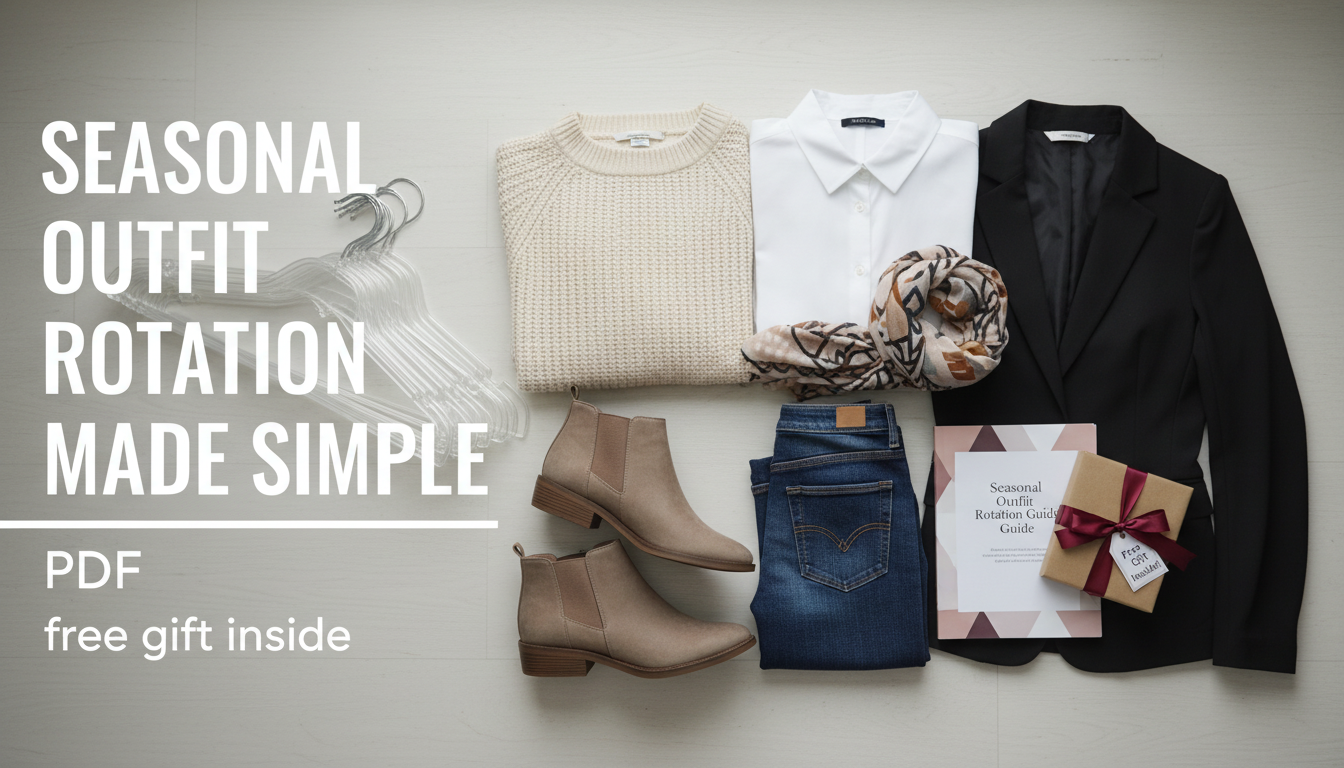
A seasonal outfit rotation list should include a tight set of ready-to-wear outfit formulas built from season-appropriate basics, weather layers, and a small group of accessories and shoes. The goal is to make getting dressed fast while still having enough variety for work, weekends, and special plans.
1) A short “core capsule” for the season
Start with 10–20 core pieces you can repeat often: tops, bottoms, and one or two dresses or jumpsuits (if you wear them). Choose colors that mix easily, plus one accent color or print to keep outfits from feeling flat.
2) Outfit formulas you can repeat
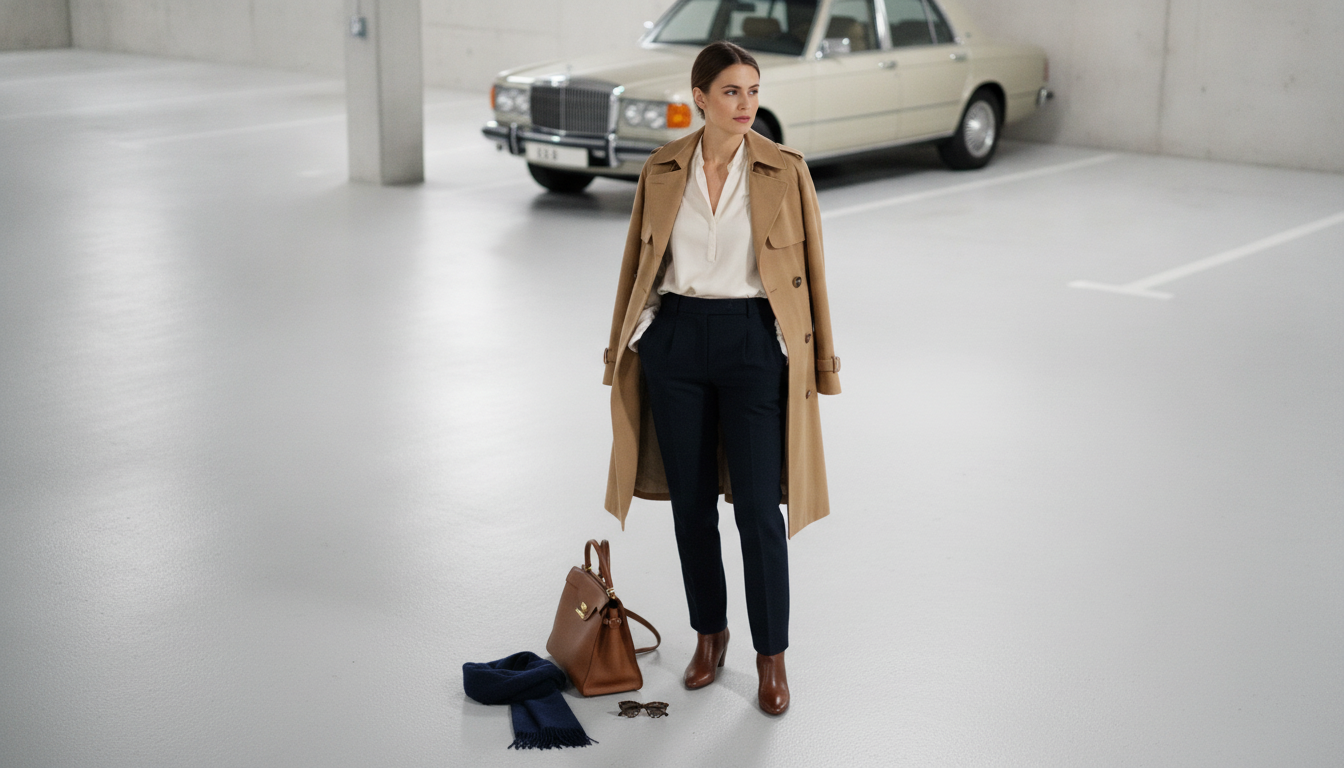
List 8–15 complete outfit combinations (top + bottom + shoes + optional layer). Examples: tee + straight-leg jeans + sneakers; button-up + trousers + loafers; knit dress + boots + jacket. Saving these combinations prevents decision fatigue and reduces overbuying.
3) Weather layers and temperature “bridges”
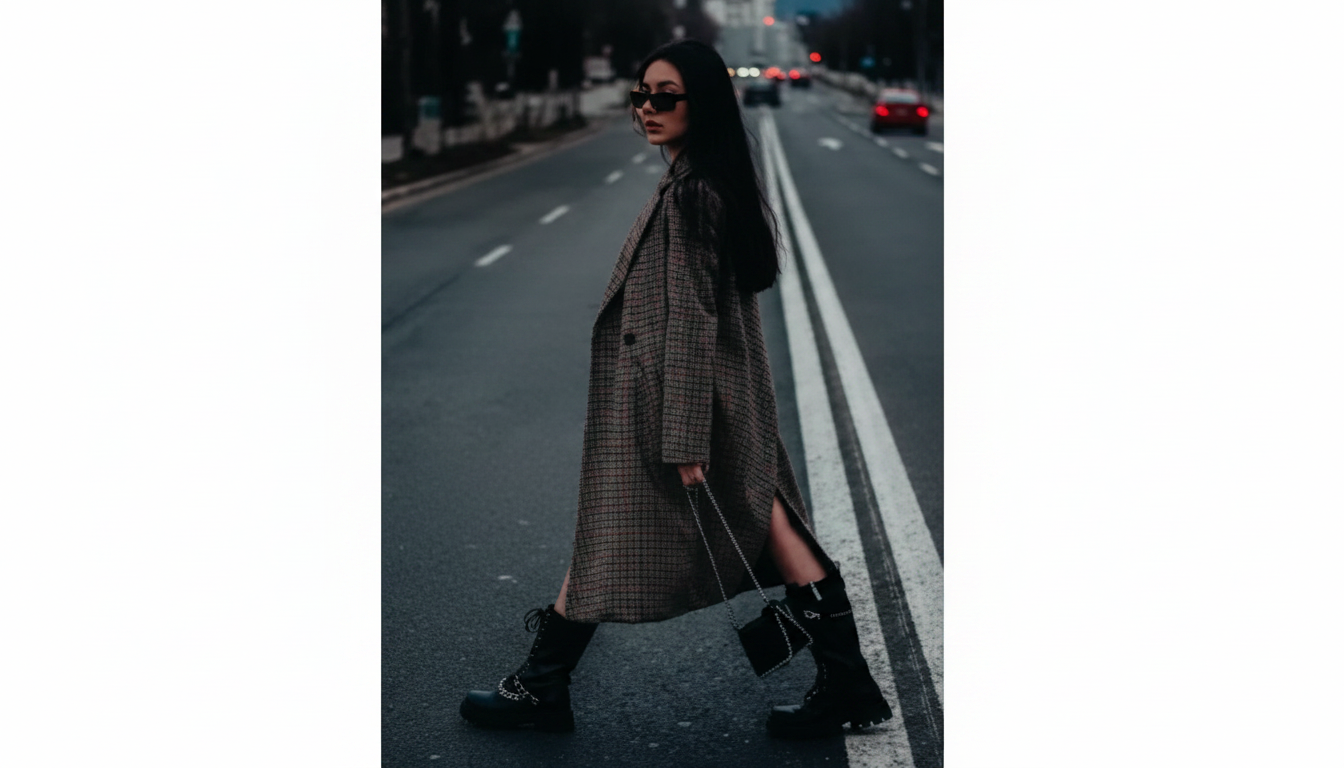
Add the pieces that make outfits flexible: a light jacket, warmer coat, cardigan, blazer, rain layer, and one or two warmth boosters (tights, thermal tee, scarf). Note which outfits work for chilly mornings vs. warm afternoons.
4) Shoes for real-life routines
Include 3–6 pairs that cover most scenarios: everyday walking, work, dressier occasions, and weather. Rotate between at least two “daily” options to extend wear and keep outfits looking intentional.
5) Accessories that finish the look
Pick a few consistent finishers—belt, bag, simple jewelry set, hat, or sunglasses. These small items help the same clothing pieces look different without adding clutter.
6) A mini list for laundry timing and replacements
Note what you need duplicates of (favorite tees, socks, base layers) and what needs updating (worn shoes, missing neutral top). This keeps the rotation practical week after week.
For a step-by-step way to build and organize your list, visit this guide to creating a seasonal outfit rotation list.
FAQ
How many outfits should you plan per season?
Most people do well with 8–15 go-to outfits plus a couple of “extras” for events. That’s enough variety for a month of dressing while still keeping the wardrobe easy to manage.







Leave a comment