Beginner Budgeting: 6 Simple Steps to Start Today
How should a beginner start a budget?
Start a beginner budget by keeping it small, simple, and based on what actually hits your bank account. The goal is to control the next 30 days, not to build a perfect spreadsheet.
1) Pick a budgeting “starter” time frame
Use a one-month budget if your income is steady. If your income changes week to week, start with a one-week or two-week budget that resets often. Short cycles make it easier to adjust without feeling like you’ve “failed.”
2) List your take-home income first
Write down the money you can reliably spend: your net pay, benefits, side income you’re confident you’ll receive, and any guaranteed support. If income is irregular, use your lowest typical month so you don’t overcommit.
3) Cover the “must-pay” bills before anything else
Make a short list of necessities: housing, utilities, minimum debt payments, transportation to work, and basic groceries. Fund these categories first. If the total is higher than your income, you’re not “bad at budgeting”—you need to cut, negotiate, or prioritize what gets paid now versus later.
4) Create 3–6 simple categories
Beginners do better with fewer buckets. A practical starter set is: Housing, Food, Transportation, Bills/Debt Minimums, Health, and Everything Else. Give each category a dollar amount that adds up to your total income.
5) Track spending with one easy method
Choose one: a notes app, a budgeting app, or the envelope method (cash in envelopes). Check in twice a week and move money between categories when needed—adjusting is part of budgeting.
6) Add a tiny “buffer” line
Even $5–$20 set aside helps cover small surprises so the whole plan doesn’t collapse. If you’re living paycheck to paycheck, the first win is consistency, not a big savings goal.
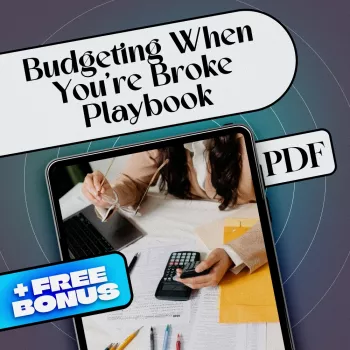
For a straightforward, step-by-step survival approach when money is tight, read the full guide here: budgeting when you’re broke.
FAQ
What’s the easiest budgeting method for someone living paycheck to paycheck?
A simple “priority list” budget works best: fund essentials first, set small limits for flexible spending, and track weekly. If cash disappears fast, the envelope method can add immediate control.











Leave a comment