Beginner Hobbies That Build Patience: 5 Easy Picks
What are the best hobbies to build patience if you’re a complete beginner?
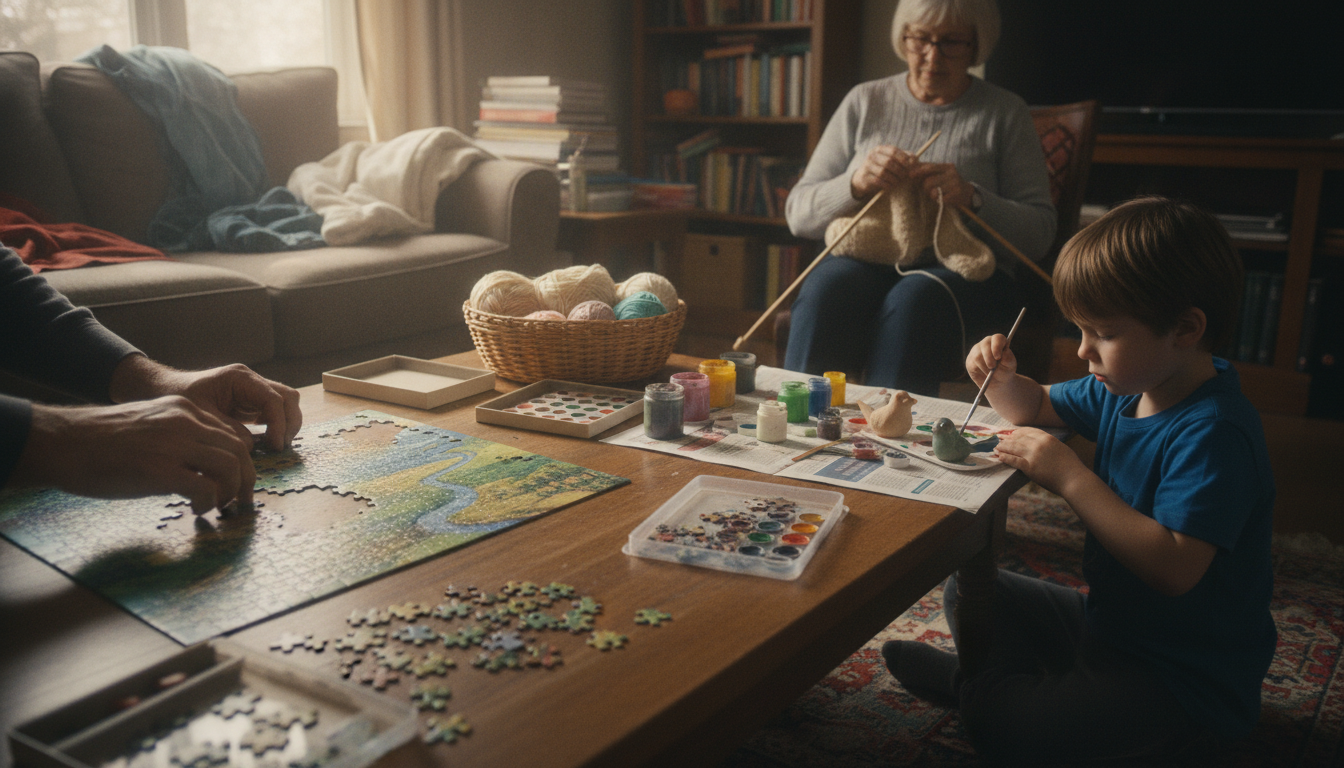
The best patience-building hobbies for beginners share three traits: slow feedback, simple rules, and a clear “next step.” That combination makes it easier to stay calm through repetition, small mistakes, and gradual progress. Here are beginner-friendly options that gently train patience without requiring special talent.
1) Jigsaw puzzles (or puzzle books)
Puzzles reward steady effort, not speed. Start with 300–500 pieces or large-piece sets, and practice returning to the task for short sessions. The habit of “try, step back, try again” transfers well to everyday frustration.
2) Hand knitting or crochet
These crafts teach patience through rhythm and counting. Begin with one basic stitch and a small project (like a dishcloth). When you drop a stitch or miscount, the learning is built into calmly undoing and correcting—an ideal patience workout.
3) Beginner drawing (still life or simple shapes)
Drawing trains patience by slowing observation. Set a timer for 10 minutes and sketch one object using simple shapes. Progress comes from repetition, not perfection, which helps reduce the urge to rush or quit.
4) Gardening with easy plants
Nothing builds patience like waiting for growth. Start with fast, forgiving options such as herbs, pothos, or succulents. Track watering days and new leaves; the visible “slow win” reinforces staying consistent.
5) Baking bread or simple baking
Baking introduces timing, waiting, and precision in a satisfying way. Choose no-knead bread, muffins, or cookies first. Following steps in order—and letting dough rest—naturally strengthens self-control.
How to make any hobby build more patience
Keep sessions short (10–20 minutes), focus on one tiny skill at a time, and end mid-progress so it’s easier to return. For a structured routine that pairs patience with focus, follow the step-by-step plan here: guide to build patience and focus with hobbies.
FAQ
How can I stay consistent with a hobby when results feel slow?
Pick a minimum schedule (like 10 minutes, three days a week) and track only showing up, not outcomes. Choose projects with clear mini-milestones so you can notice progress even when the end goal takes time.











Leave a comment