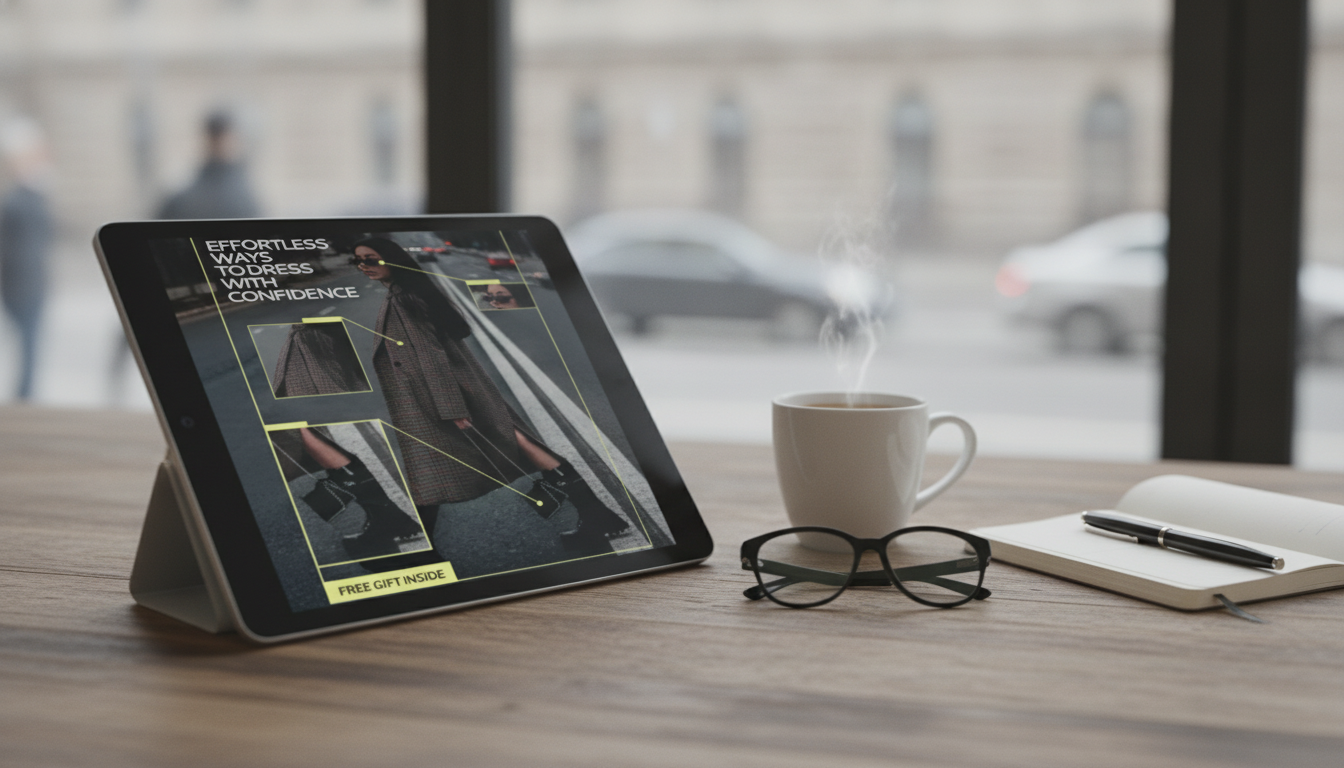
Confidence often shows up when getting dressed stops feeling like a daily puzzle. A small, reliable wardrobe, a repeatable outfit formula, and a few finishing details can make your look feel intentional—without turning mornings into a styling marathon. Below is a simple system to help outfits look consistent, comfortable, and put-together on regular days (not just special occasions).
If you want quick wins, start here. When fit and fabric are right, even a plain tee and jeans can read “sharp.” When they’re off, even expensive pieces can look unfinished.
Focus on shoulders that align, waistbands that sit comfortably, and hems that hit cleanly. Tailoring an affordable blazer, trousers, or a midi skirt often delivers the biggest “wow” per dollar—especially at sleeves, waist shaping, and pant hems.
Structured denim, cotton poplin, wool blends, ponte, and midweight knitwear tend to stay neater throughout the day. They resist bagging at knees and elbows and keep your silhouette crisp longer.
Steam or wrinkle-release before you leave, do a quick lint roll (especially on dark colors), check buttons/zippers, and de-pill knitwear as needed. These tiny maintenance habits make basics look “new” again. For general hygiene best practices, the CDC offers practical guidance on cleaning and laundry routines that help keep clothing fresh: https://www.cdc.gov/.
| Issue | Fast fix | Why it works |
|---|---|---|
| Wrinkles or creases | Steam for 2–3 minutes or use wrinkle-release spray | Signals freshness and intentionality |
| Pilling on knits | Use a fabric shaver | Restores a clean, new-looking surface |
| Sloppy hems | Hem tape or a quick tailor visit | Improves proportions and keeps lines crisp |
| Visible lint/pet hair | Lint roller kept by the door | Makes dark basics look sharp again |
| Shoes look tired | Wipe, condition, and replace worn heel tips | Footwear anchors the whole outfit |
Outfit formulas reduce decision fatigue because you’re not starting from scratch. Choose 3–5 that match your real life (work, errands, casual plans) and repeat them with small, satisfying variations.
To make formulas feel effortless, keep a consistent silhouette theme. For example: fitted top + relaxed bottom; or relaxed top + slim bottom. This single “rule” removes most of the trial-and-error.
A closet feels easy when most pieces naturally combine. The goal isn’t owning less for the sake of it—it’s owning the right set so you can get dressed quickly and still feel like yourself.
Choose one base family you love wearing: black, navy, camel, cream, or charcoal. Then add one or two accent colors that flatter you and don’t feel costume-y. If color decisions tend to slow you down, a palette-based approach can make shopping and outfit-building faster.
If a cool-toned palette suits you, the Cool and Confident All Summer in the Shades That Suit You Best – Digital Guide can help narrow shades so outfits look cohesive with less effort.
Each new piece should pair with at least three items you already own (top, bottom, layer, shoe). This keeps your wardrobe from filling up with “one-off” purchases that don’t integrate.
Start with: a structured jacket, versatile trousers, great everyday jeans, a midweight knit, and an everyday dress that layers (with a blazer, denim jacket, or cardigan). These pieces carry most weeks, all year.
Neat hair, moisturized skin, and tidy nails elevate minimal outfits. This is part of “enclothed cognition”—the idea that what you wear can affect how you feel and perform. For an overview on dress and self-perception, see the American Psychological Association: https://www.apa.org/.
If you like exploring a bolder, more fashion-forward angle while still keeping a clear point of view, Decoding the Balenciaga Aesthetic: Bold, Unexpected, Iconic – Fashion eBook Guide can help you understand what creates that distinctive impact (and how to borrow elements without feeling costume-y).
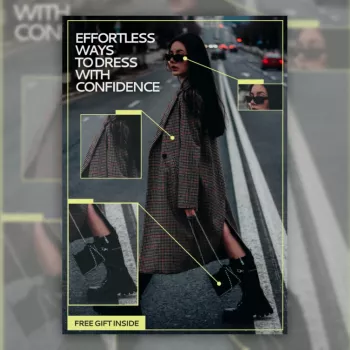
If you want a structured, repeatable approach—outfit formulas, timeless styling principles, and everyday confidence cues—use the Effortless Ways to Dress with Confidence – eBook Guide. It’s especially useful when mornings feel rushed, outfits feel “almost right,” or a simple wardrobe is the goal without looking boring.
Prioritize fit, choose neat fabrics that hold their shape, and wear clean, well-kept shoes. Keep colors cohesive and add one structured layer (like a blazer or jacket) plus a single intentional accessory.
Start with a structured blazer or jacket, straight-leg jeans or tailored trousers, a crisp tee or midweight knit, and comfortable polished shoes like loafers or clean sneakers. These pieces mix easily and instantly make outfits feel “finished.”
Use 3–5 outfit formulas, plan a few looks once a week, and keep a small rotation of favorites visible. Saving photos of outfits that worked well helps you repeat proven combinations instead of starting over daily.








Leave a comment