Outfit Rotation Meaning: A Simple Guide to Using More
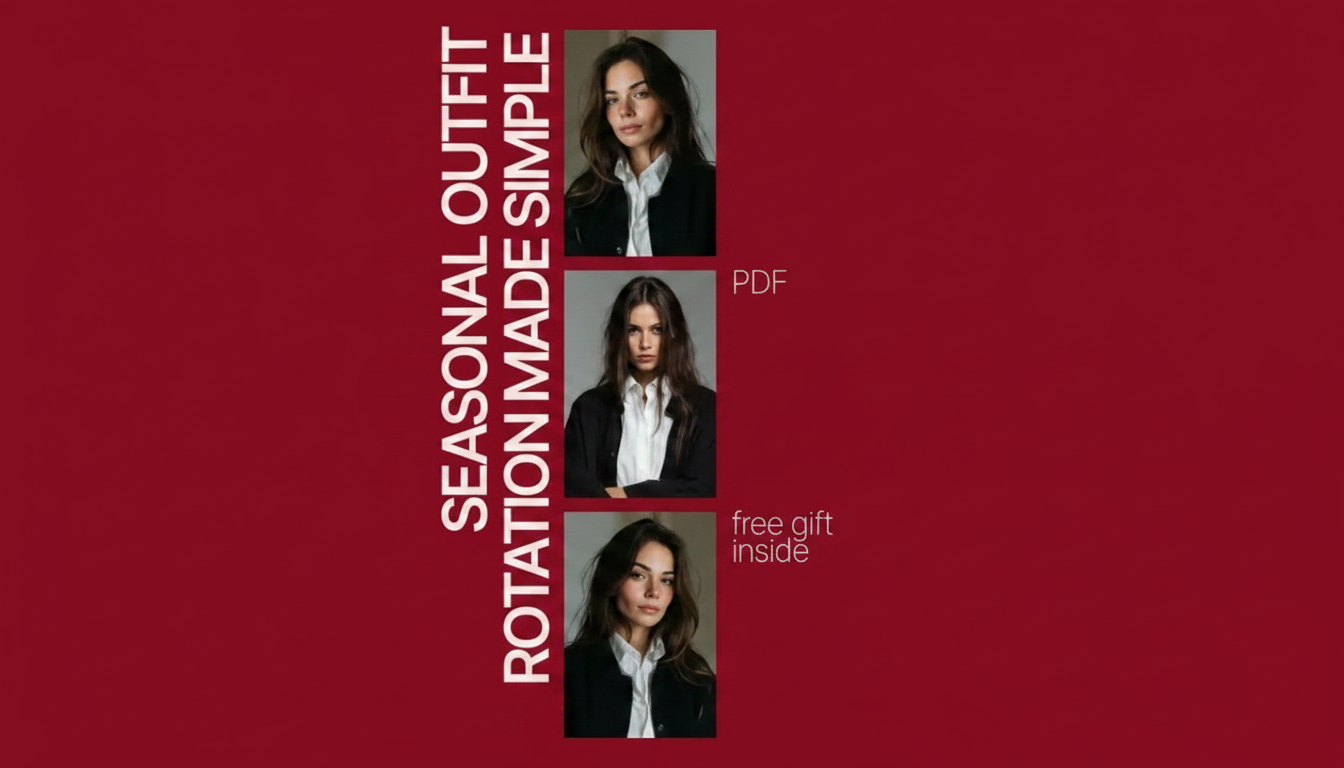
What does outfit rotation mean?
Outfit rotation means regularly cycling through the clothes and combinations you already own so you wear more of your wardrobe—without relying on the same few “default” outfits. Instead of repeating identical looks week after week, you intentionally mix and match items, swap seasonal pieces in and out, and plan a small set of go-to combinations that change on a predictable rhythm (weekly, monthly, or by season).
At its core, outfit rotation is a simple system: you create a lineup of outfits (or outfit formulas) and rotate them so everything gets used. For example, you might rotate between three work outfits, two casual looks, and one dressier option—then refresh the lineup when the weather shifts or when you notice certain items haven’t been worn in a while.
Why outfit rotation matters
Rotating outfits helps reduce decision fatigue because you’re not starting from scratch every morning. It also stretches your closet further: the same basics can feel new when paired differently, layered, or styled with different shoes and accessories. Many people find it also prevents “closet clutter guilt,” since items stop sitting unused for months.
What outfit rotation looks like in real life
Outfit rotation can be as structured or as flexible as you want:
- Seasonal swap: Pack away off-season pieces and build a focused seasonal capsule you’ll actually wear.
- Outfit list: Write down 10–20 outfit combos and work through them before repeating.
- Category rotation: Alternate categories (jeans, skirts, trousers) across the week to balance wear.
- One-in, one-out styling: Keep a base outfit but rotate one standout piece (jacket, bag, or shoes).
How to start rotating outfits without overthinking
Begin by identifying your most-worn “anchor” items (like favorite jeans or a versatile blazer), then build a few reliable combinations around them. Next, set aside a couple of less-worn pieces and intentionally pair them with your anchors. If you want a guided approach, use this seasonal wardrobe method and checklist: seasonal outfit rotation list to build easy looks.
FAQ
How often should you rotate your outfits?
A weekly or biweekly rhythm works well for most people, with a bigger refresh when seasons change. The best schedule is one that matches your lifestyle, laundry routine, and climate.








Leave a comment